Bellhopt | Vacation travel
How to Launch a Vacation Rental Grocery Program
A guest grocery program is not only a link in a booking message. It is an operating system that connects the guest, reservation, property, access instructions, shopping, fulfillment, and support.
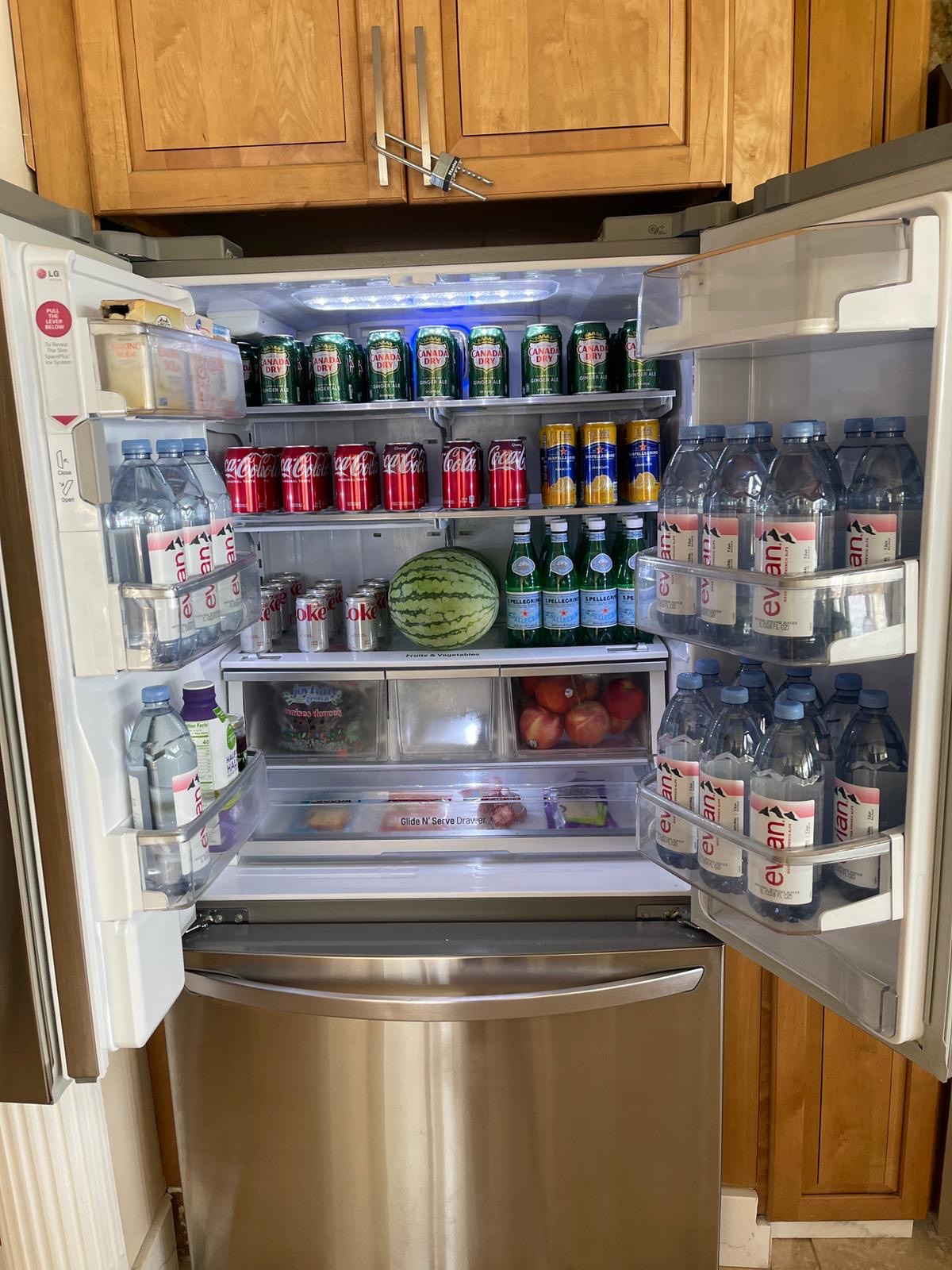
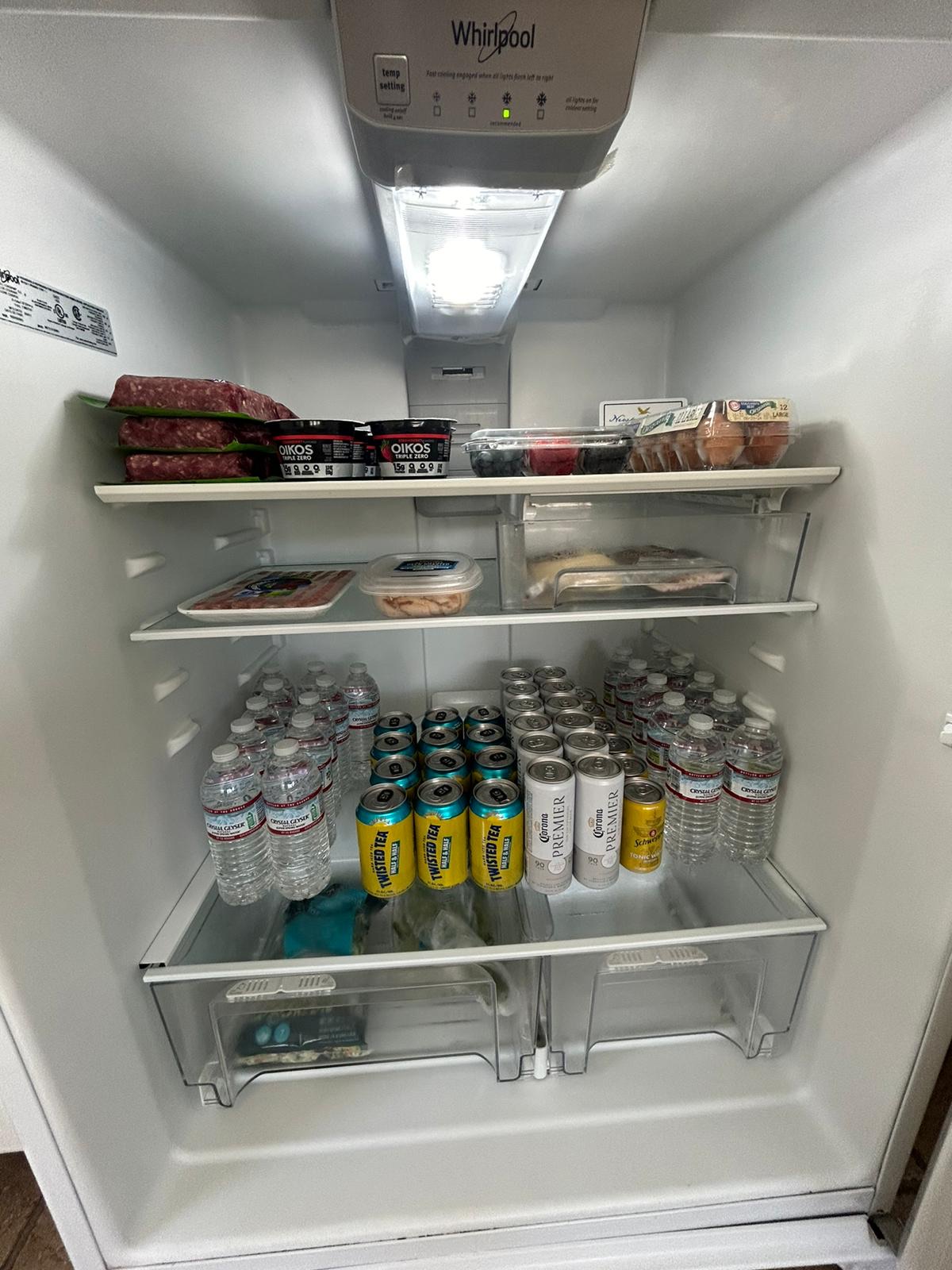
Bellhopt provides the guest ordering and physical stocking layer so property managers do not have to turn their internal teams into personal shoppers.
What does a successful grocery program require?
It requires accurate property data, a guest message sent early enough, a property-specific ordering path, a clear 24-hour deadline, approved access, documented fulfillment responsibilities, and a support process for substitutions and exceptions.
Define the promise before promoting it
Property managers should decide exactly what the guest is being offered: grocery shopping, delivery inside, kitchen stocking, concierge discovery, or a combination supported by the property.
The marketing language must match the operating reality in every participating market.
- what the guest can order
- where Bellhopt stocks items
- the required deadline
- how access is approved
- which markets and properties participate
Connect each property to the correct ordering path
A property-specific link reduces address-entry errors and gives the order the right property context.
For supported integrations and partner workflows, property and reservation information may be connected more deeply. The current implementation scope should be confirmed before launch.
Place the message where the guest can act
The service should be introduced early enough for the guest to build an order before the 24-hour deadline.
Useful touchpoints include booking confirmation, pre-arrival messages, a direct-booking website, a digital guidebook, or a supported guest-communication workflow.
Booking confirmation email template Property-manager launch kitSeparate operator, guest, and Bellhopt responsibilities
| Party | Primary responsibilities |
|---|---|
| Property manager | Keep property information and approved access instructions current; share the correct guest link; define participating properties |
| Guest | Order at least 24 hours before arrival; provide preferences and substitution boundaries; verify the stay information shown |
| Bellhopt | Shop, coordinate substitutions, follow the approved access workflow, deliver inside, stock the kitchen, and provide fulfillment support |
Pilot before portfolio-wide expansion
A controlled pilot helps the operator identify weak messages, access exceptions, service questions, and market-specific constraints before the program reaches every property.
The pilot should include representative property types and enough reservations to observe repeatable patterns.
- guest adoption rate
- completed orders
- support contacts by category
- access exceptions
- guest feedback
- commission or ancillary revenue where applicable
Expand only where fulfillment remains reliable
Ancillary services can create additional revenue beyond the nightly rate, but the service must remain operationally repeatable.
New properties and markets should be added when property data, access, timing, and local capacity meet the program standard.
Frequently asked questions
Does a property manager need a full API integration?
Not always. Bellhopt can support property-specific links and messaging workflows, while deeper automation depends on the verified partner and implementation scope.
How early should guests receive the offer?
Early enough to understand the service and submit the order at least 24 hours before arrival.
Should every property launch at once?
A controlled pilot is usually safer because it reveals messaging, access, support, and market-specific issues before portfolio-wide expansion.
Can a grocery program generate ancillary revenue?
Depending on the Bellhopt commercial arrangement, property managers may earn commission. The current agreement should define the economics before public claims are made.